


| IN A NUTSHELL |
|
The energy storage landscape in Europe is undergoing a remarkable transformation. As the continent accelerates its shift towards a decarbonized energy system, energy storage has emerged from a niche technology to a cornerstone of the modern grid. With declining costs, increased policy support, and a focus on energy security, storage technologies are reshaping how Europe manages its electricity needs. This evolution is not just about integrating renewables; it’s about creating a more resilient, flexible, and distributed energy system. As we delve into this dynamic sector, we explore the key trends, drivers, and challenges that define Europe’s energy storage journey.
The Rapid Deployment of Energy Storage Across Europe
Energy storage is, without a doubt, one of the most rapidly deployed clean technologies across Europe today. A combination of factors, including the need for energy security and the integration of renewable energy sources, has driven this expansion. The European grid, traditionally reliant on fossil fuels, has seen a shift towards sustainability, with storage playing a pivotal role. It not only helps stabilize the grid but also prevents the curtailment of renewable energy, ensuring that green electricity is not wasted.
Furthermore, Europe’s geopolitical landscape and economic considerations have underscored the importance of reducing dependency on fossil fuel imports. By replacing gas with renewables and storage, the continent has improved its energy security and reduced electricity prices. Notably, the ability of storage systems to provide essential services to the grid, such as enhancing energy quality and preventing major incidents, has gained increasing recognition. This evolution highlights storage as not just supplementary but as essential infrastructure.
Record-Breaking Growth in Energy Storage Deployment
According to the EMMES 9.0 report, 2024 marked a record-breaking year for energy storage in Europe, with installed capacity reaching 89 GW. This surge is primarily driven by the significant drop in battery system costs, surpassing previous forecasts. The market’s evolution, characterized by more frequent negative electricity prices, has further strengthened the business case for storage. Such market dynamics present opportunities for storage systems to capitalize on otherwise wasted energy, reinforcing their economic viability.
Policy improvements across Europe have also played a crucial role. Legislation now allows storage technologies to compete fairly, particularly in ancillary services markets, enhancing their attractiveness. Moreover, there is a growing recognition among policymakers of the critical role that storage plays in achieving climate goals. Support schemes and market reforms continue to foster a conducive environment for storage deployment. Collectively, these factors contribute to a vibrant energy storage landscape, with no signs of slowing growth.
Diversification and Innovation in Storage Technologies
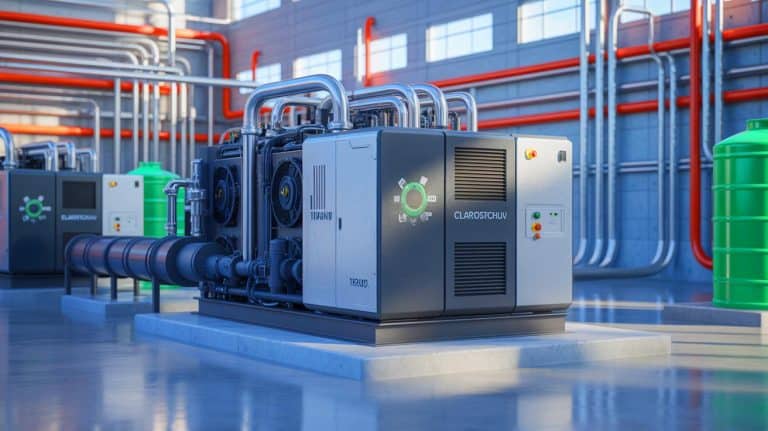
The balance between battery, thermal, and traditional storage technologies like pumped hydro is evolving rapidly. Historically, pumped hydro dominated the landscape, accounting for over 95% of installed capacity. However, advancements in battery energy storage systems (BESS) are poised to overtake it by 2025 or 2026 in terms of total capacity. This shift signifies a dramatic change in less than a decade, underscoring the increasing diversity of storage technologies available.
Emerging solutions are tailored to specific needs, such as industrial decarbonization and long-duration storage. While some of these technologies remain niche, their role is expected to grow as the energy system evolves and the demand for flexibility increases. This trend reflects a broader technological diversification, positioning storage to meet diverse market requirements and enhance grid resilience.
The Rise of Front-of-the-Meter Storage and Co-Location with Renewables
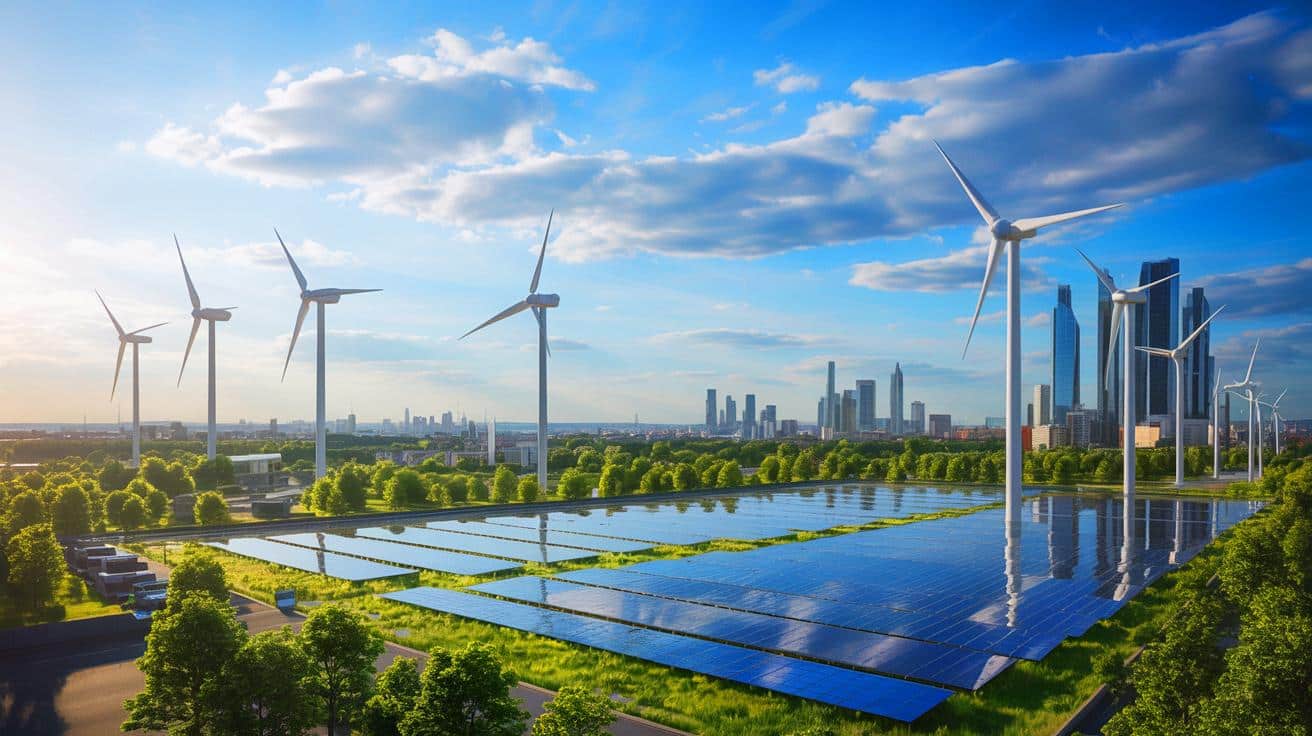
Front-of-the-meter (FTM) storage projects are experiencing significant growth, especially when co-located with renewable energy sources like solar. Historically, FTM projects were predominantly standalone; however, co-location is becoming increasingly popular due to its numerous benefits. Co-location offers better management of negative prices, reduced curtailment, and potential capital expenditure savings for developers.
Despite these advantages, the success of storage technologies has brought challenges, particularly in terms of grid connections and permitting processes. Bureaucratic hurdles and regulatory frameworks, which have not fully adapted to storage, continue to impede progress. Nevertheless, as administrative systems evolve, these challenges are expected to diminish, paving the way for more efficient project deployment. As Europe continues to embrace energy storage as a linchpin of its energy transition, the continent faces both opportunities and challenges. The interplay between technological innovation, policy support, and market dynamics will shape the future of energy storage. How will Europe navigate these complexities to ensure a sustainable, resilient energy landscape for future generations?