


The town, the council, the coast
Environment
With nearly a hundred articles, this is one of the Herald’s largest sections. It tracks pollution, clean energy and the technologies that claim to reduce our footprint, from water testing to fusion research.
Read more
PFAS, the so-called forever chemicals, are a recurring thread: commercial-scale destruction of these compounds, portable sensors for water testing and new laboratory equipment for food safety. Readers concerned about what comes out of the tap will find the most practical material here.
Energy is the other major theme, with European storage projects, a green investment portfolio worth $1 billion, AI applied to fusion, battery testing and small firms competing for the EUSEW 2026 energy efficiency award. Aviation and farming also appear through fuel-efficient aircraft and fertiliser research. Some headlines promise more than the science delivers, so treat bold claims as a starting point for your own reading.
98 stories
Page 4
Latest stories

US Power Grid ‘Won’t Handle the EV Boom,’ Warns Energy Expert as Nation Faces Unprecedented Challenges
Electric vehicles are key to the US strategy for reducing carbon emissions and combating climate change. A new study highlights that the outdated transmission grid…

Marine Scientists Warn “Fish Populations Are Plummeting” As Exeter Study Urges Action on Marine Protected Areas
The study by the University of Exeter highlights the importance of large Marine Protected Areas in conserving marine life. Research shows that 95% of tracked…

New Jersey’s $875M PFAS Deal Sparks Outrage: “They Knew the Risks!”
New Jersey reaches a $875 million settlement with major chemical companies over PFAS contamination. The settlement addresses pollution from sites like Chambers Works and statewide…
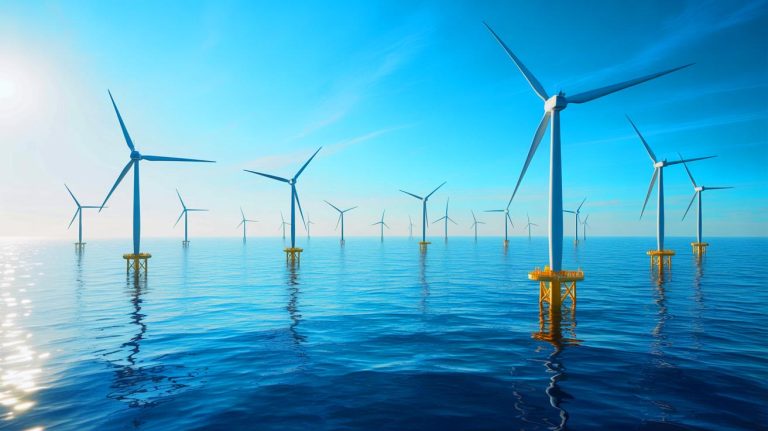
French Offshore Wind Farm Investment Sparks Fury: “This Is an Economic Betrayal” as $11 Billion Heads to France
France leads with a groundbreaking €11 billion investment in floating offshore wind farms. The initiative aims to reduce fossil fuel dependency and boost renewable energy…

Scientists Shocked as Brazilian Brain Coral “Holds More Carbon Than Thought Possible” Warns Expert on Global Impact
Researchers discovered that brain coral in the Alcatrazes Archipelago produces around 170 tons of calcium carbonate annually. The study highlights the coral’s ability to sequester…

UK Government Sparks Outrage: “This Grant Favors the Elite” as New Electric Car List Revealed
The UK government introduces the Electric Car Grant, offering $1,500 discounts on select electric vehicles. Over 82,000 public chargepoints now available, with government investment boosting…

“UN’s Bold Move” Sparks Heated Debate as World Leaders Clash Over Global Plastic Pollution Crisis Negotiations
Global leaders convene in Geneva to negotiate a crucial agreement addressing the escalating plastic pollution crisis. The proposed agreement focuses on promoting a circular economy…

Microsoft’s Fusion Power Plant Backed by Billions “Promises to Change Energy Forever” as Helion Breaks Ground
Helion Energy breaks ground on Orion, the world’s first commercial fusion power plant, aiming for grid delivery by 2028. A historic energy deal with Microsoft…
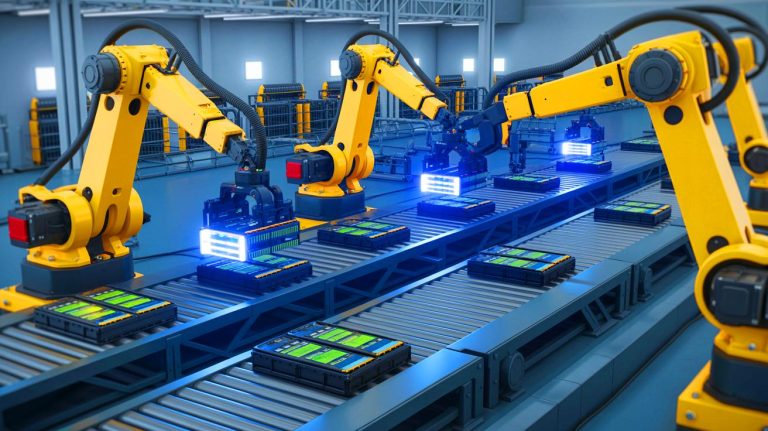
BATRAW Project Sparks Outrage: ‘Europe’s Battery Recycling Plan Is a Political Power Grab,’ Critics Argue
The BATRAW project aims to revolutionize the recycling of end-of-life electric vehicle batteries in Europe. Two pilot plants in Spain and France are testing innovations…

Global Plastics Treaty Faces Fierce Backlash ‘A Sham to Distract from Real Environmental Crimes’
The Global Plastics Treaty aims to establish legally binding rules to combat plastic pollution on a global scale. A new National Planning Working Group on…

An AI Claims “It Found the Key” While Humanity Struggles to Stop the Climate Crisis from Worsening
Researchers at the University of Southern California have developed an AI model that could significantly impact climate change mitigation. The AI, named Allegro-FM, excels in…

AI’s Role in Molten Salt Chemistry Sparks Fear: ‘Could This Technology Change Nuclear Safety Forever?’
AI revolutionizes nuclear molten salt chemistry by predicting experimental outcomes rapidly and cost-effectively. Machine learning techniques like supervised learning enable accurate predictions from historical data.…